Reel Change: The Keepers of 35mm and the Theaters That Refuse to Go Digital
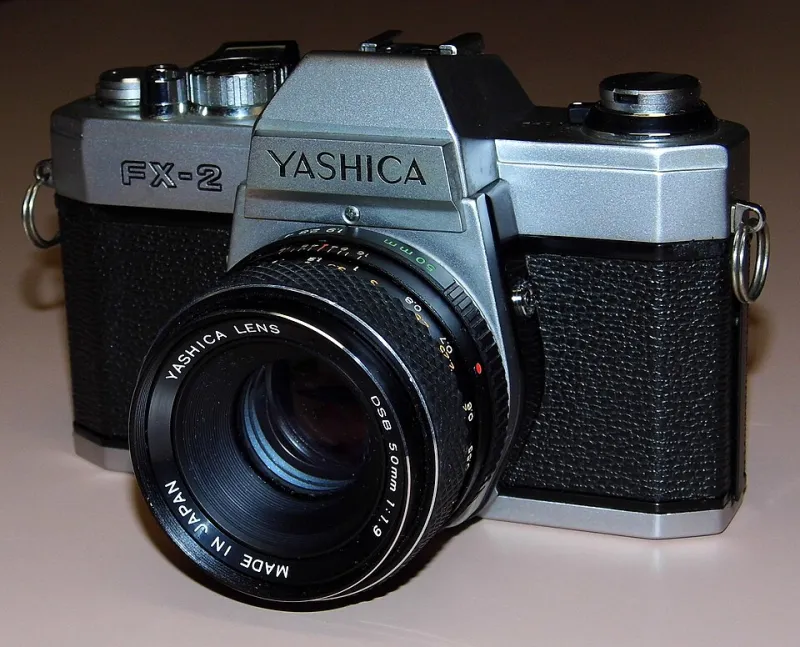
Photo: Joe Haupt from USA, CC BY-SA 2.0, via Wikimedia Commons
There is a particular sound a 35mm projector makes that no digital server has replicated: a low, rhythmic mechanical breathing, like a machine that knows it is keeping something alive. In a handful of American single-screen theaters — many of them older than the towns that grew around them — that sound still marks the start of every evening show.
Three Booths, Three Resistances
Consider the profiles that keep emerging from this shrinking world. In the Midwest, a family-owned theater opened in 1946 still runs weekend screenings on original carbon-arc-era equipment, maintained by a third-generation projectionist who learned the trade from his grandmother. In upstate New York, a restored 1920s movie palace screens repertory prints sourced from archives and private collectors, its owner estimating that fewer than a hundred venues nationwide can reliably present 35mm at all. And on the West Coast, a volunteer-run house has turned its changeover booth — the old two-projector system requiring a reel swap every twenty minutes — into a living demonstration, visible to audiences through glass.
What unites them is not nostalgia in the sentimental sense. It is stewardship. These are people who understand that celluloid is not merely a delivery format but a craft object, and that the skills required to run it — splicing, cue-marking, timing changeovers to the frame — constitute a body of knowledge on the edge of disappearance.
Why Audiences Drive for the Grain
The economics are unforgiving. Digital conversion, which the industry largely completed by 2013, cost tens of thousands of dollars per screen and pushed many small theaters under. Surviving on 35mm means courting distributors who still strike prints, renting titles from collectors, and accepting that some bookings simply fall through. Yet the audiences keep arriving, some traveling two or three hours.
Their reasons are worth taking seriously. Film stock carries texture: grain that moves, color that shifts with the print's age, the occasional splice or cue mark that announces the medium's own presence. Viewers describe it as the difference between hearing live music and a recording — a distinction in kind, not quality. The imperfection is the point. A scratch on a print from 1971 is evidence of every audience that came before, a communal wear pattern no file can accumulate.
The Dimming Math
No one in these booths is under illusions about scale. The American projectionist workforce has contracted by well over ninety percent since the digital transition. Training pathways have nearly vanished; most working 35mm projectionists today learned from a mentor nearing retirement, and few are passing it on.
What might preserve the craft is the same force that sustains other endangered practices: deliberate patronage. When a repertory house announces a 35mm run, attendance is the only subsidy that matters. The flicker, the grain, the hum of the platter — these survive exactly as long as people choose them over convenience.
The lights in those booths stay on because someone keeps showing up to thread the reel. So far, someone always has.